Is My Child Ready for Preschool?
July 13, 2026
Developmental Milestones
Educational Philosophy
Parent Resources
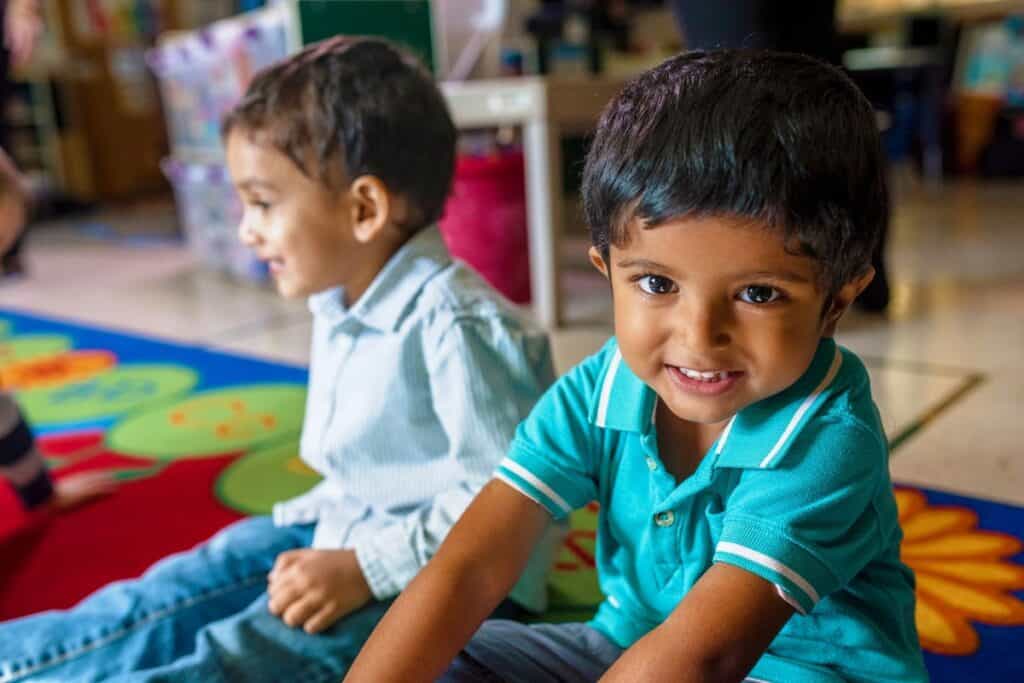
Many families see the benefits of preschool but wonder if their child is ready to take that next step. While there isn’t a one-size-fits-all answer, there are several signs that can help you decide if the time is right. In this article, we’ll look at preschool readiness for children ages 2 to 4 and explore what it may look like.
Can Your Child Communicate Basic Needs?
Your child doesn’t need a large vocabulary or complete sentences before starting preschool, but it’s helpful if they can communicate basic wants, needs, and feelings through words, gestures, or both. They should also be able to understand and follow simple directions like “Please, come sit with us.” These early communication skills help children take part in classroom routines, make friends, and feel more confident at school.
How Does Your Child Handle Separation?
Separating from parents or caregivers can be difficult for many young children, and that’s completely normal. As children begin to feel more comfortable with short separations, it can be a helpful sign that they are getting ready for the preschool experience. Signs your child may be ready:
- They can settle into an activity after saying goodbye
- They can calm down after becoming upset with support from a trusted adult
Is Your Child Interested in Others and New Experiences?
Another important sign of preschool readiness is a growing interest in the world around them. Children who naturally seek out others and show curiosity about new environments are often ready for more engaging group experiences like preschool. You may notice your child:
- Shows interest in playing with other children
- Is curious about new places, routines, and activities
- Approaches new experiences with interest rather than hesitation
Are They Developing Independence?
Children don’t need to master self-help skills before starting preschool. However, some experience with everyday tasks can help them feel more comfortable and confident in the classroom. Some signs of emerging independence include:
- Walking, running, and exploring safely
- Holding crayons, markers, or paintbrushes
- Feeding themselves during meals and snacks
- Washing hands with some assistance
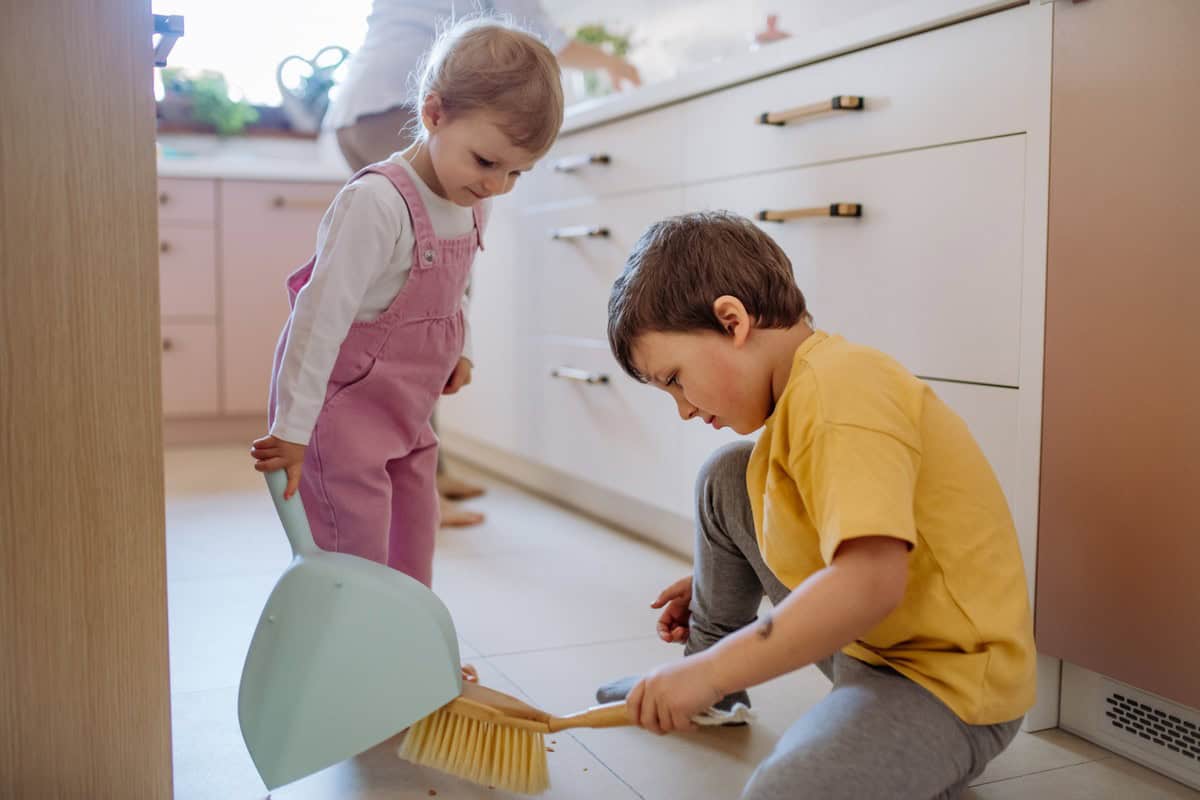
- Helping with simple tasks, such as cleaning up toys
Can They Focus on an Activity?
Preschool introduces children to group activities, stories, songs, and learning experiences that require short periods of attention. A child may be ready for preschool if they can:
- Listen to a short picture book
- Participate in a simple activity
- Focus on play for about 5 to 10 minutes at a time
Attention spans vary by age and personality. Being able to stay engaged for short periods is a good sign that your child is ready to participate in preschool activities.
My Child Isn’t Showing These Signs. What Should I Do?
You can help build preschool readiness by:
- Attending library storytimes or other small group activities
- Scheduling playdates to encourage social interaction
- Practicing simple routines at home
- Giving your child opportunities to follow one- or two-step directions
If you have concerns about your child’s development, talk with your pediatrician. The American Academy of Pediatrics recommends developmental screenings during early childhood, and your doctor can help determine whether your child may benefit from additional support.
Most importantly, remember that these signs are helpful guidelines—not requirements. Our teachers are experienced in supporting children with different strengths, personalities, and developmental stages.
Helpful FAQs
Does my child need to use the toilet independently?
No. In classrooms that are equipped for diapering, we partner with families to support children through the toilet-learning process. Every child reaches this milestone on their own timeline. Our Links to Learning Beginners Program helps build the skills that support potty-training, including communication, following simple directions, and growing independence.
Does my child need to know numbers and letters before starting preschool?
That’s what we’re here for! Our curriculum is designed to help children learn these skills. Our teachers introduce age-appropriate literacy, math, and problem-solving activities that build a strong foundation for future learning.
What if my child cries at drop-off?
That’s perfectly normal! Many children need time to adjust to a new routine. As children build relationships with their teachers and peers, they learn that school is a safe, fun place and that their parents will return.
Some families choose to start with shorter days and gradually increase their child’s time at school. We are happy to work with families to make the transition as smooth as possible.
Do I need to wait until the beginning of the school year to enroll?
No. We offer open enrollment throughout the year, so your child can begin when your family is ready.
Every Child’s Journey Is Different
Whether your child is eager to jump right in or needs a little more time, we’re here to support their growth, celebrate their milestones, and help them build confidence along the way. To learn more, contact us today!
Other helpful resources:
Ways to Help Ease Your Preschooler’s Transition Back to School
13 Tips for Starting Preschool – NAEYC
Ready for infant or toddler care? Peace of Mind: How Our Infant and Toddler Programs Support Your Return to Work
September 25, 2026
Developmental Milestones
Wellness
September 15, 2026
Educational Philosophy
Parent Resources