How to Teach Toddlers and Preschoolers Gratitude
October 20, 2026
Parent Resources
Social-Emotional Learning
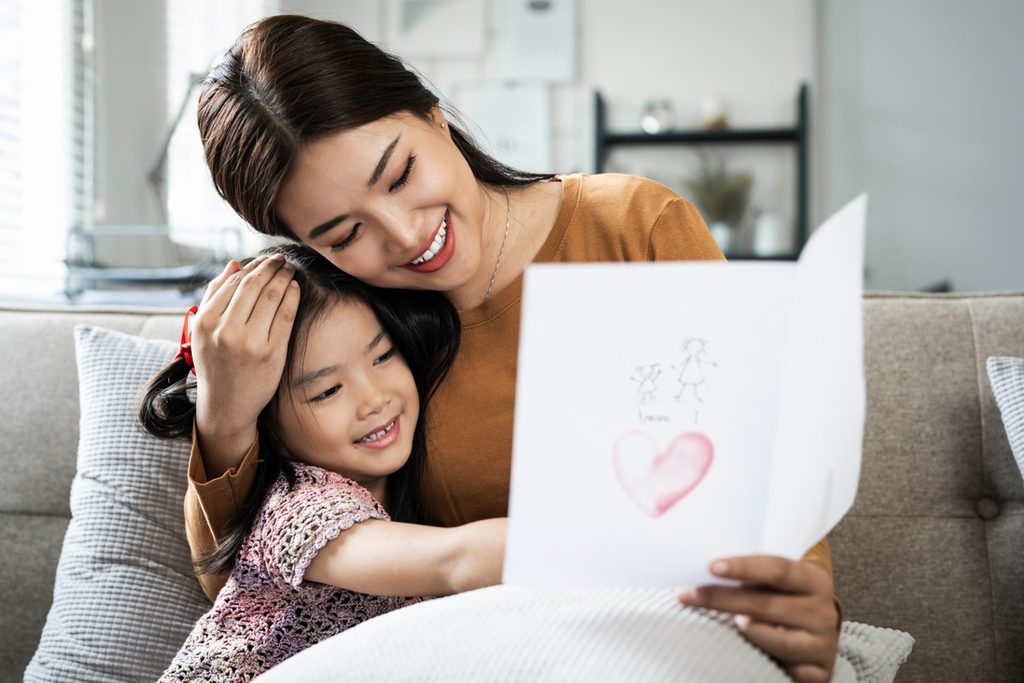
How can young children learn to show gratitude when they are still making sense of the world around them? Toddlers and preschoolers learn gratitude by watching the adults around them, experiencing warmth, and practicing simple ways to say thank you. Families can nurture gratitude by modeling thankfulness, noticing thoughtful actions, and helping children recognize the people who make life better. These simple habits build a foundation for genuine appreciation.
Why Does Gratitude Matter for Young Children?
Children who practice gratitude often feel happier and build stronger relationships with others. Showing appreciation also helps children notice when others are kind or helpful, building empathy and a sense of connection to their community.
Embracing thankfulness goes beyond teaching basic manners. It is about developing a healthy perspective that supports your child’s emotional growth, happiness, and lifelong well-being.
How Can I Model Gratitude at Home?
Young children learn best by watching how adults interact with others. When you express appreciation in your daily routine, you give your child a clear model to follow.
Try these simple ideas:
- Say thank you often: Thank your child for putting away toys, or thank a family member for preparing dinner.
- Notice kind actions: Point out when someone holds a door open or helps carry groceries.
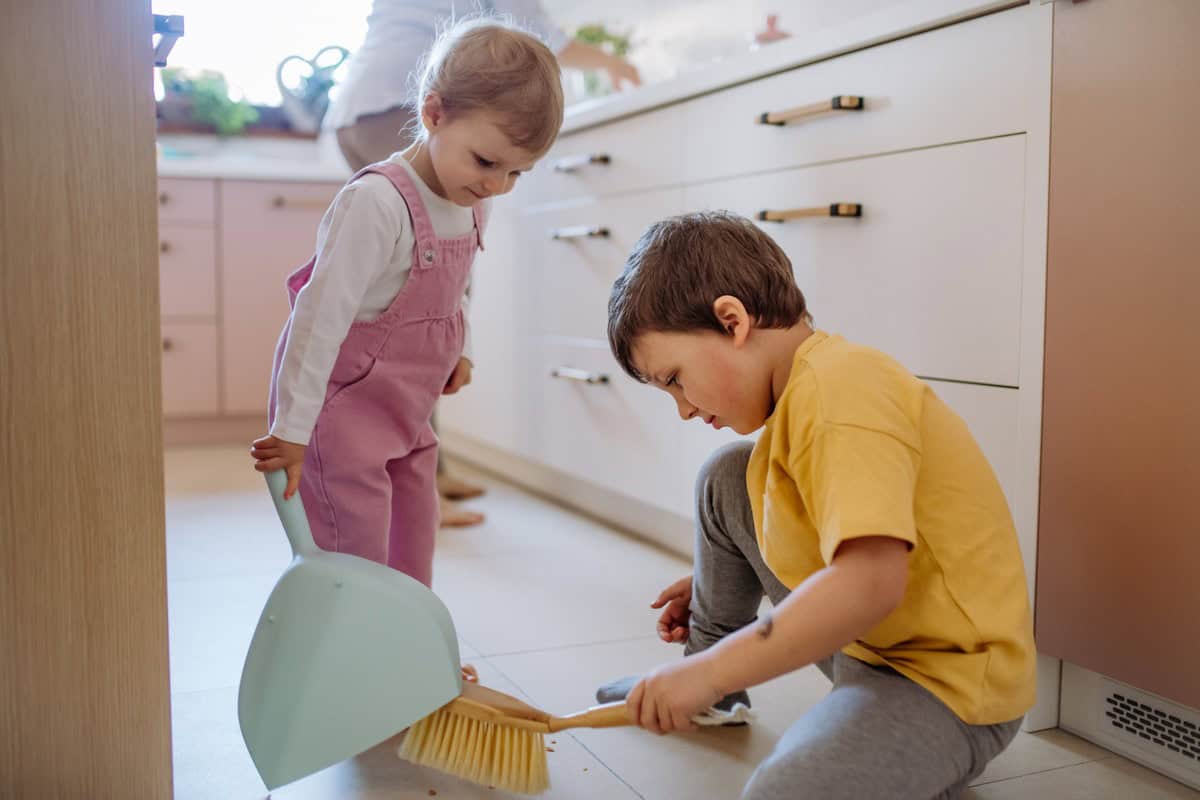
- Appreciate effort: If your child draws a picture or tries to help, praise their good intentions. You might say, “Thank you for picking up the blocks with me. That was so helpful!”
- Share your thoughts out loud: Narrate your own appreciation throughout the day. Say things like, “I am so thankful for this warm blanket on a chilly evening.” This helps children connect positive feelings with gratitude.
What Gratitude Activities Can My Child Try?
Here are age-appropriate activities that give children simple ways to practice appreciation as they grow:
- Ages 1–2: Modeling Thank-Yous
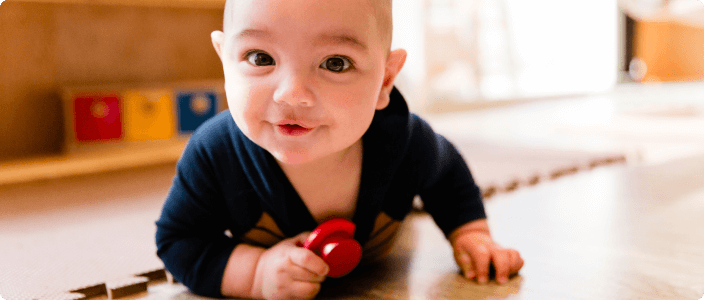
Model saying thank you during everyday activities, such as meals and playtime. As your toddler begins to communicate, encourage simple gestures, like waving, smiling, or hugging loved ones to acknowledge someone’s kindness.
- Ages 2–3: Sharing Everyday Moments of Gratitude
During meals or bedtime, talk with your child about something that made them happy or someone who helped them. Share your own examples to help your child recognize the kind actions and experiences they appreciate. Mealtimes are also a great opportunity to express gratitude for your food and the people who prepared it. Continue these practices as your child grows.
- Ages 3–4: Expressing Gratitude Through Art
Encourage your child to draw pictures for friends or relatives as a way to show appreciation. Explain that making a picture for someone is a thoughtful way to say thank you and let them know they are appreciated.
- Ages 4–5: Creating Handmade Thank-You Cards
Help your preschooler make thank-you cards for friends and family. Drawing pictures, tracing letters, or signing their name gives children opportunities to practice early writing skills while learning different ways to express appreciation.
How Can I Help My Child Learn to Appreciate What They Have?
Help your child recognize things they can be thankful for, such as a favorite toy, a cozy bed, or a loving family. Explain that not everyone has the same things and that sharing toys, donating books, or collecting food can help others who have less. These conversations nurture gratitude, empathy, and an appreciation for what they have.
What are Some Tips for Practicing Gratitude During the Holiday Season?
The holidays offer meaningful opportunities to teach children about generosity and appreciation. As a family, support a local charitable cause together. Invite your child to choose a toy to donate, collect food for families in need, or help prepare a care package for someone in your community.
At our school, holiday giving initiatives help children put kindness into action. Through toy drives supporting organizations like Toys for Tots, donations to Ronald McDonald House Charities, and collections for local families, children learn to recognize others’ needs and see how their contributions can make a difference. These shared experiences nurture empathy, gratitude, and a sense of connection to their community.
How Do Our Teachers Encourage Gratitude at School?
Our curriculum helps children develop important social-emotional skills, including kindness, respect, and cooperation. Our teachers acknowledge thoughtful behavior and help children understand how their actions affect others.
Here are a few ways we encourage gratitude in our classrooms:
- Recognizing helpful actions: We thank children for helping their classmates and working together, showing them how their actions can make a difference to others.
- Sharing and taking turns: During classroom activities, we encourage children to share materials, take turns, and appreciate their classmates’ contributions.
- Learning through stories and play: Through books, puppets, and pretend play, we help children recognize acts of kindness and talk about ways to show appreciation to others.
Frequently Asked Questions About Teaching Gratitude
1. At what age can I start teaching my child about gratitude?
You can begin during toddlerhood. Children ages 1–2 learn by watching adults and imitating gestures. As they grow, help them recognize kindness and begin expressing appreciation in their own words.
2. Should I make my child say thank you?
Gentle prompting is fine, but forcing the words can make gratitude feel like a chore. Model the behavior, give a light reminder such as “What could we say to Grandpa?”, and praise sincere thank-yous when they happen on their own.
3. What if my child doesn’t want to say thank you?
Don’t worry. Young children need time to understand gratitude and learn how to express it. Continue modeling appreciation and explaining why you say thank you. For example, you might say, “Grandma made us a delicious lunch. Let’s thank her for taking the time to cook for us!” With patience and practice, your child will gradually learn to express gratitude in their own way.
4. What’s the best place to start?
Start with what your child knows. Help your child recognize things they can be thankful for, such as a favorite toy, a warm meal, or a hug from someone they love. Concrete examples make gratitude easier for young children to understand.
5. How do children’s books help teach gratitude?
Books can introduce stories of generosity and community. As you read together, ask questions about how characters support each other, and connect those moments to your child’s experiences.
6. What are some great books about gratitude for toddlers and preschoolers?
Bear Says Thanks by Karma Wilson teaches children about sharing and expressing appreciation, while The Thankful Book by Todd Parr encourages them to appreciate the simple things in life, like the sun, pets, food, and family. Find more recommendations here!
Gratitude isn’t an instinct children are born with; it’s a social skill that grows with daily practice and loving guidance. When you start early, you lay a strong foundation for a lifetime of kindness, empathy, and joy.
We’re here to support your child’s journey every step of the way. Contact us today to learn how we can partner with your family!
For more on developing gratitude, read:
Little Hands, Big Hearts: Benefits of Teaching Children about Giving Back
September 15, 2026
Educational Philosophy
Parent Resources
August 13, 2026
Parent Resources
Social-Emotional Learning